

 Image 1 of 2
 Image 2 of 2
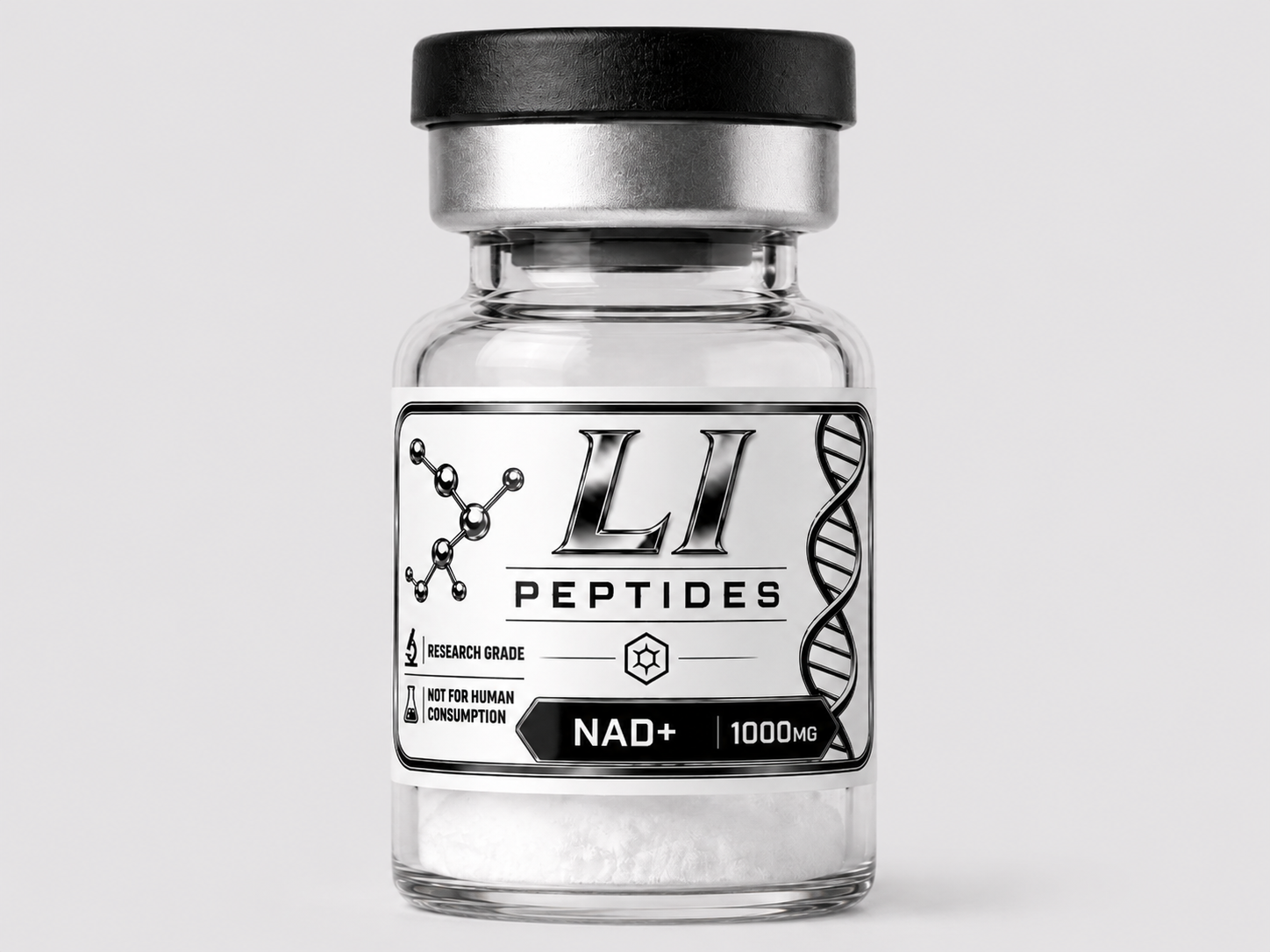
Nicotinamide Adenine Dinucleotide (NAD+) is a naturally occurring oxidized coenzyme that participates in numerous biochemical reactions. It is particularly recognized for its role in electron transfer during cellular respiration, serving as a central mediator in mitochondrial energy conversion. Researchers have proposed that NAD+ may also influence a wide range of biological processes, including regulation of enzymatic activity, post-translational protein modification, and pathways involved in cellular signaling. Because of its broad biochemical relevance, NAD+ is frequently studied in connection with mechanisms of cellular longevity, metabolic control, and responses to oxidative conditions.
Nicotinamide Adenine Dinucleotide (NAD+) is a naturally occurring oxidized coenzyme that participates in numerous biochemical reactions. It is particularly recognized for its role in electron transfer during cellular respiration, serving as a central mediator in mitochondrial energy conversion. Researchers have proposed that NAD+ may also influence a wide range of biological processes, including regulation of enzymatic activity, post-translational protein modification, and pathways involved in cellular signaling. Because of its broad biochemical relevance, NAD+ is frequently studied in connection with mechanisms of cellular longevity, metabolic control, and responses to oxidative conditions.